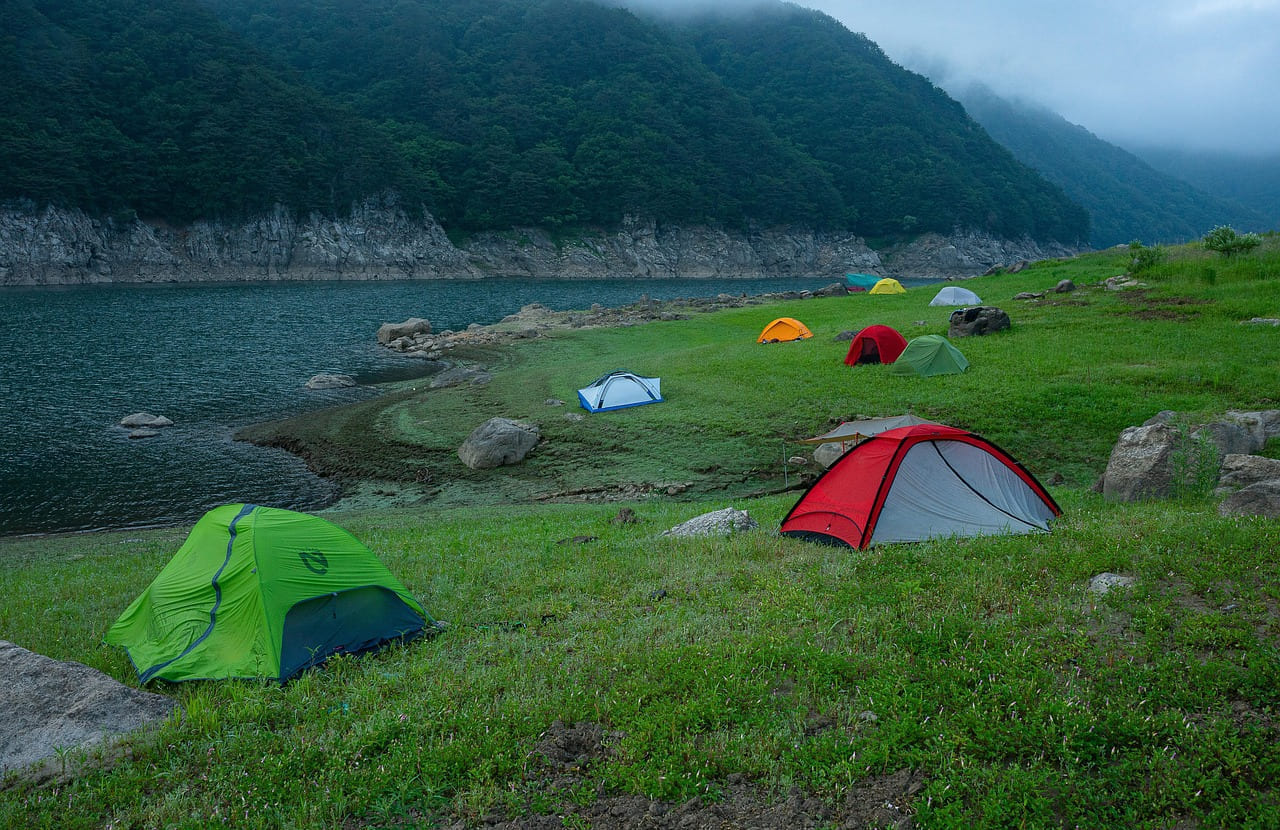
First Camp Trip? Easy can be easier to approach when you start with a few practical basics. Practical Example: Instead of heading to Yosemite for your first trip, consider a campground closer to home, like a state park within a two-hour drive. This reduces travel time and potential complications. Also, look for campgrounds with ranger programs - these often offer introductory talks on camping skills and local wildlife.
1. Gear Up: Essential Camping Equipment (First Camp Trip? Easy)
This is where many beginners stumble. You don’t need to buy everything brand new. Borrowing from friends or family is a great option. Start with the basics and gradually build your kit. Here’s a breakdown of what you’ll need:
- Tent: Choose a tent rated for the number of people in your group. Practice setting it up *before* you go!
- Sleeping Bag & Pad: Consider the temperature rating of your sleeping bag. A sleeping pad provides insulation and comfort.
- Camp Stove & Fuel: For cooking meals. A simple propane stove is a good starting point.
- Cooking Utensils & Mess Kit: Plates, bowls, cups, silverware, and a spatula are essential.
- Headlamp or Flashlight: Crucial for navigating in the dark.
- First-Aid Kit: A well-stocked kit is non-negotiable.
- Navigation Tools: Map and compass (and know how to use them!), or a GPS device.
- Appropriate Clothing: Layers are key! Pack for all types of weather.
- Trash Bags: Pack it in, pack it out!
Budget Tip: Check out consignment shops and online marketplaces for used camping gear. You can often find high-quality equipment at a fraction of the retail price.
2. Planning Your Meals
Camping meals don’t have to be complicated. Keep it simple and focus on easy-to-prepare dishes. Plan your meals in advance and pack ingredients accordingly. Pre-chop vegetables and pre-mix spices to save time and effort at the campsite. Consider one-pot meals like chili, stew, or pasta. Don’t forget snacks! Energy bars, trail mix, and fruit are great for keeping your energy levels up.
Example Meal Plan (One Night):
- Dinner: Foil packet meals with sausage, potatoes, and veggies.
- Breakfast: Oatmeal with fruit and nuts.
- Snacks: Trail mix, granola bars, apples.
3. Campfire Safety and Etiquette
Campfires are a quintessential camping experience, but they require careful attention. Always check for fire restrictions before you go. Clear a 10-foot radius around your fire pit down to bare earth. Never leave a fire unattended. Keep water and a shovel nearby. When extinguishing your fire, drown it with water, stir the ashes, and drown it again until it’s cold to the touch. Respect wildlife and keep a safe distance from animals.
Important Note: Learn about Leave No Trace principles. These guidelines are designed to minimize your impact on the environment.
4. Staying Safe in the Wilderness
Awareness is your best defense. Let someone know your itinerary and expected return time. Be aware of your surroundings and potential hazards, such as wildlife, poisonous plants, and changing weather conditions. Store food properly to avoid attracting animals. Carry bear spray if you’re camping in bear country and know how to use it. Learn basic wilderness first aid.
Wildlife Considerations: Different areas have different wildlife concerns. Research the animals common to your camping destination and take appropriate precautions. Never approach or feed wildlife.
5. Camp Setup and Breakdown - A Step-by-Step Guide
Setting up camp efficiently is crucial for a comfortable experience. Here’s a quick guide:
- Arrive Early: Gives you plenty of daylight to set up.
- Choose a Level Spot: Clear away rocks and debris.
- Set Up Tent: Follow the manufacturer's instructions carefully.
- Organize Gear: Keep everything accessible and dry.
- Establish a Cooking Area: Away from the tent.
- Campfire Area: Designated and safe.
Breaking down camp is the reverse process. Take your time, pack everything carefully, and leave your campsite cleaner than you found it.
Focus on the part that solves the problem
In a topic like Travel, the strongest starting point is usually the one you will notice and use right away. That is often more helpful than adding extra features too early.
Before spending more, it is worth checking the setup, upkeep, and learning curve. Small hassles matter here because they are usually what decide whether something stays useful or gets ignored.
It is easy to underestimate how much clarity comes from removing one unnecessary layer. In practice, trimming one complication often does more for First Camp Trip? Easy Tips for Beginners than adding one more feature, one more product, or one more clever workaround.
Where extra features get in the way
Another easy trap is copying a setup that made sense for someone with a different routine, budget, or tolerance for maintenance. In Travel, that mismatch is often what makes a promising idea feel frustrating later.
A lot of options sound great until you picture them in a normal week. If the setup is fussy, the routine is easy to forget, or the maintenance is annoying, the appeal fades quickly.
There is also value in keeping one part of the process deliberately simple. Readers often do better when they identify the one decision that carries the most weight and make that choice carefully before they chase smaller optimizations. That keeps momentum steady and usually prevents the topic from turning into clutter.
What makes the choice hold up
A better approach is to break First Camp Trip? Easy Tips for Beginners into smaller decisions and solve the highest-friction part first. Testing one practical change usually teaches more than trying to perfect everything in a single pass.
Leave a little room to adjust as you go. A setup that works in one budget range, season, or routine might need a small change later, and that is usually normal rather than a sign you got it wrong.
If this topic still feels crowded or overcomplicated, that is usually a sign to narrow the decision, not a sign that you need more noise. One careful adjustment, followed by honest observation, tends to teach more than another round of abstract tips.
Keep This Practical
If you want this advice to be useful fast, apply it to one concrete part of the trip: flights, timing, packing, or budget. A clearer decision there usually improves the whole journey.
Tools Worth A Look
These picks are most relevant if you want gear or planning support that makes the trip smoother, lighter, or easier to manage.
- FlyHugz® Neck Travel PillowDramamine Motion Sickness Less Drowsy, Travel Vial, Multicolor, 8 CountBeautiful Passport Holder for Travel with Wristlet StrapTwelve South AirFly SE | Bluetooth Wireless Audio Transmitter Adapter for AirPods/Headphones, 20+ Hr BatteryVEGER Portable Charger with Built-in AC Plug and Cables, All in One 10000mAh Ultra Slim Power Bank Travel Essentials, Fast Charging Battery Pack
Some of the links on this page are Amazon affiliate links, which means I may earn a small commission if you make a purchase through them. As an Amazon Associate, I earn from qualifying purchases.
Related ReadingMore from Miles and Memories

How To Plan A Trip Around Energy Instead Of Just Attractions
A better framework for designing itineraries around pace, recovery, and the kind of days you actually want to live.
Explore Europe on a Shoestring
deserves a little more room than a quick summary because most readers are trying to make a real decision, not just skim a few surface-level tips....
City Walks That Tell a Story
Lost in the Lanes: Discovering a City’s Soul, One Step at a Time (City Walks) There’s a stillness that comes with walking, a quiet unfolding that’s utterly absent.