By Brian Stanton - Miles and Memories
May 04, 2026
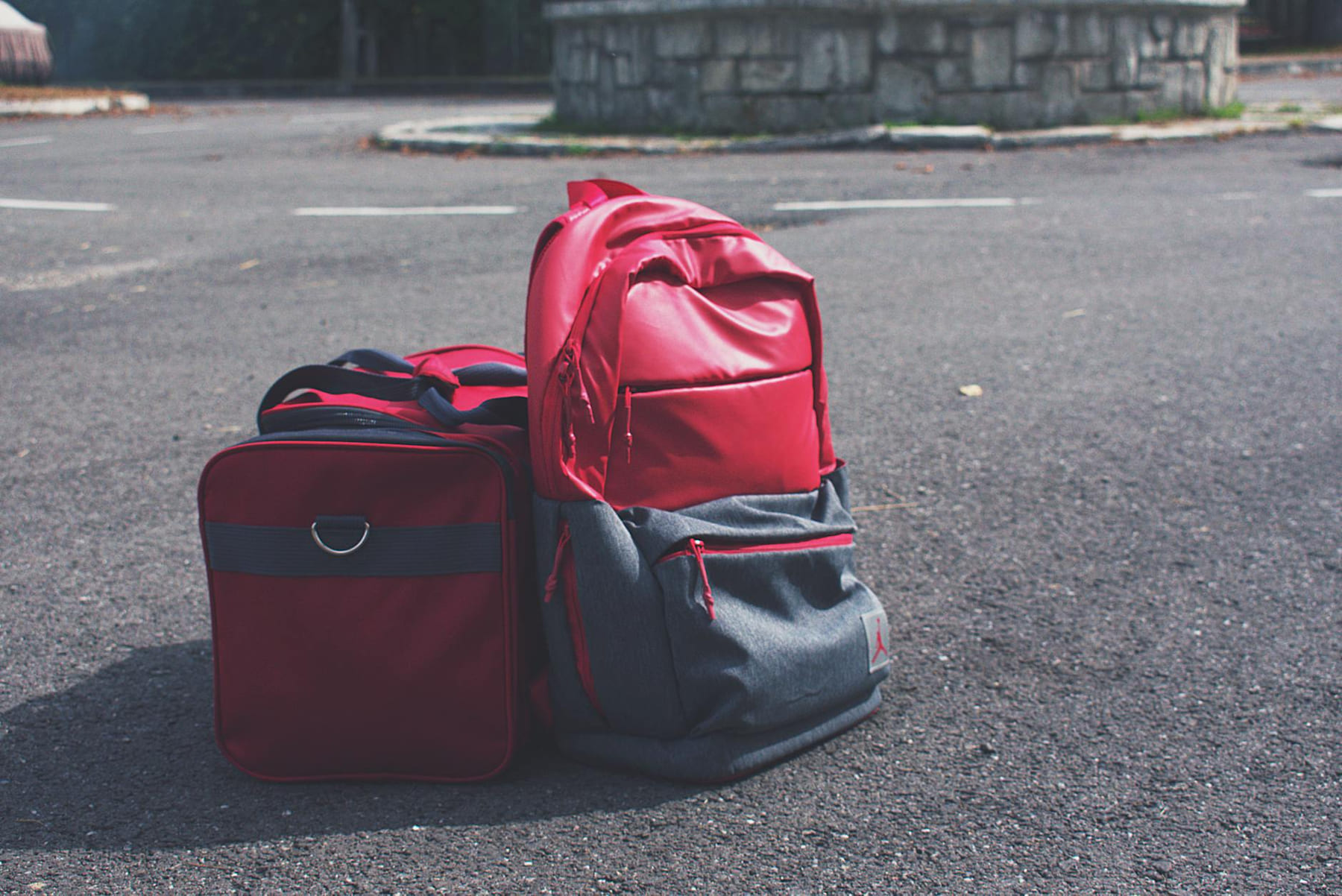
My grandfather, a retired cartographer, used to tell me that the best maps aren’t just about showing where you are; they’re about hinting at where you could be. He’d spend hours tracing routes with his finger, pointing out possibilities, and whispering about the unexpected beauty found just beyond the well-worn path. That sentiment - the idea of deliberately leaving room for discovery - has stayed with me throughout my travels. For years, I’d meticulously plan every detail, every meal, every potential photograph. It was… exhausting. And, frankly, it often felt like I was observing a place rather than truly experiencing it. I’ve learned that the most rewarding travel isn’t about checking off a list of sights; it’s about the freedom to wander, to get lost, and to stumble upon something truly remarkable. And a huge part of that freedom comes from packing light.
The prevailing wisdom is often to overpack. “You never know what you’ll need,” they say. But the reality is, most of us rarely utilize the vast majority of the luggage we haul around. We’re burdened by the idea of needing things, not the actual need. This isn’t about minimalist asceticism; it’s about strategic efficiency. It’s about prioritizing experiences over possessions. It’s about recognizing that you can buy almost anything you need on the road, and that the weight you carry on your back will significantly impact your ability to explore.
The Weight of Expectations (and Suitcases)
Let’s be honest, the anxiety surrounding packing is real. It’s the feeling that you’re leaving something vital behind, that you’ll regret not having that specific item. This anxiety often fuels the overpacking habit. I used to fall into this trap myself, meticulously weighing each item, agonizing over whether a particular scarf was “essential.” I’d arrive at my destination, unpack everything, and realize I’d spent more time worrying about my luggage than actually enjoying the trip.
Consider this: I recently spent three weeks backpacking through Southeast Asia. I packed a 40-liter backpack, a few versatile clothing items, a universal adapter, a small first-aid kit, and a phrasebook. I bought sunscreen, insect repellent, and any specific toiletries I needed along the way. I didn’t miss a single thing. Conversely, a friend of mine, armed with a massive suitcase, lamented about forgetting a particular type of shoe and struggling to navigate cobblestone streets. The difference wasn’t about the items themselves; it was about the mental space they occupied.
Building a Lightweight Wardrobe: The Essentials
So, how do you actually do it? It’s not about drastically reducing your wardrobe; it’s about curating a collection of versatile pieces that can be mixed and matched. Here’s a breakdown of what I’ve found works consistently:
- Clothing (7-10 Days): Aim for neutral colors - black, grey, navy, beige - that can be combined easily. Think quick-drying fabrics like merino wool or synthetic blends. A few t-shirts, a long-sleeved shirt, a lightweight fleece or sweater, a pair of durable pants (zip-off convertible pants are a game-changer), shorts, and a swimsuit are a good starting point.
- Shoes (2-3 Pairs): Comfortable walking shoes are absolutely crucial. A pair of lightweight hiking shoes or trail runners is ideal. Consider a second pair of sandals or flip-flops for showers and casual wear.
- Underwear & Socks: Pack enough for 7-10 days, prioritizing quick-drying materials.
- Toiletries: Travel-sized containers are your friend. Buy most toiletries upon arrival to avoid carrying bulky bottles. A small, reusable water bottle is essential.
- Electronics: A universal adapter, a lightweight phone charger, and a portable power bank are usually sufficient. Consider leaving laptops and tablets behind unless absolutely necessary.
- Accessories: A versatile scarf can serve as a blanket, a head covering, or even a makeshift bag. A small backpack or daypack is invaluable for day trips.
Don’t forget a dry bag or waterproof pouch to protect electronics and valuables. Trust me, a sudden downpour can quickly ruin a trip.
Beyond the Bag: The Mental Shift
Packing light isn’t just about minimizing your luggage; it’s about shifting your mindset. It’s about accepting that you don’t need to bring everything you might need. It’s about embracing the unknown and trusting that you can adapt to whatever situation arises. It’s about prioritizing experiences over possessions. This requires a bit of letting go - letting go of control, letting go of the need to be prepared for every eventuality, and letting go of the expectation that you need to bring everything with you.
I’ve found that when I’m not weighed down by my belongings, I’m more open to new experiences, more willing to strike up conversations with locals, and more receptive to the unexpected detours that often lead to the most memorable moments. It’s about freeing yourself to truly explore - not just a place, but yourself.
Practical Considerations & Troubleshooting
Let’s address some common concerns:
- Laundry: Plan to do laundry regularly. Many hostels and guesthouses offer laundry services, or you can hand-wash items in a sink.
- Medications: Pack any essential medications in your carry-on luggage and bring a copy of your prescription.
- Valuables: Keep valuables (passport, credit cards, cash) in a secure travel wallet or money belt.
- Weather: Research the weather conditions at your destination and pack accordingly. Layering is key.
Finally, remember that packing light is a personal process. Experiment with different strategies and find what works best for you. The goal isn’t to follow a rigid formula; it’s to create a system that allows you to travel with confidence, freedom, and a genuine appreciation for the journey.
Start with what you will actually use
With Packing Light, Exploring Deep, the first question is usually not which option looks best on paper. It is which part will make day-to-day life easier, smoother, or cheaper once the novelty wears off.
A lot of options sound great until you picture them in a normal week. If the setup is fussy, the routine is easy to forget, or the maintenance is annoying, the appeal fades quickly.
There is also value in keeping one part of the process deliberately simple. Readers often do better when they identify the one decision that carries the most weight and make that choice carefully before they chase smaller optimizations. That keeps momentum steady and usually prevents the topic from turning into clutter.
What tends to get overlooked
Tradeoffs are normal here. Cost, convenience, upkeep, and flexibility do not always line up neatly, so it helps to decide which tradeoff matters least to you before you commit.
This usually gets easier once you make a short list of priorities. A tighter list tends to produce better decisions than trying to solve every possible problem at once.
Another useful filter is asking what you would still recommend if the budget got tighter, the schedule got busier, or the setup had to be easier for someone else to manage. The answers to that question usually reveal which advice is durable and which advice only works under ideal conditions.
Keep This Practical
If you want this advice to be useful fast, apply it to one concrete part of the trip: flights, timing, packing, or budget. A clearer decision there usually improves the whole journey.