Best Maps for Travel Planning: Your Guide to Staying on Track
Understanding Your Mapping Needs (Best Map)
Before diving into specific apps and services, let’s consider what you’re actually looking for in a travel map. Your needs will vary dramatically depending on your trip type, budget, and technical comfort level. Here’s a breakdown of common scenarios:
- Road Trips: You’ll need detailed road networks, points of interest (POIs) like gas stations, restaurants, and hotels, and ideally, the ability to plan routes and review them for offline use.
- Cycling Tours: Precise cycling routes, elevation profiles, and information about bike paths and trails are essential. Community-generated data, highlighting scenic routes and challenging climbs, is a huge bonus.
- Budget Travel: Offline access is paramount, as you’ll likely be in areas with limited or no internet connectivity. A map that’s free or has a low-cost option is a major advantage.
- Backpacking/Remote Adventures: Robust offline capabilities, topographic maps, and the ability to track your progress are critical for safety and navigation in areas with minimal infrastructure.
Top Map Choices for Every Traveler
1. TomTom Go Maps: The Reliable Road Trip Companion
For serious road trippers, TomTom Go Maps remains a solid choice. It’s known for its incredibly accurate and detailed road maps, constantly updated with the latest changes. What really sets it apart is its seamless vehicle integration - meaning you can use voice commands and the touchscreen in your car to navigate. You can pre-review maps for entire regions, ensuring you have access to navigation even when you’re off the grid. The interface is intuitive, and the POI database is extensive. While it’s a paid app, the investment is worthwhile for those who prioritize reliability and ease of use on long drives. Price: Subscription-based, starting around $30 per year.
2. Komoot: Mapping the World for Cyclists
If your travels involve two wheels, Komoot is a standout. Unlike many general mapping apps, Komoot is laser-focused on cycling routes. It boasts an enormous library of user-generated routes, meticulously planned and constantly updated by the Komoot community. You’ll find everything from challenging mountain climbs to leisurely riverside paths. Komoot’s route planning tools are incredibly powerful, allowing you to customize your ride based on difficulty, elevation, and surface type. The app also provides real-time tracking, elevation profiles, and detailed information about points of interest along the route. Price: Free version with limited features; Premium subscription unlocks offline maps and advanced planning tools - around $8-12 per month.
3. Maps.me: The Free Offline Powerhouse
4. Gaia GPS: The Adventurer’s Choice
For serious backcountry explorers and those venturing off the beaten path, Gaia GPS is a must-have. This app is built for navigation in remote areas, offering topographic maps, satellite imagery, and the ability to track your location using GPS. Gaia GPS’s subscription tiers offer varying levels of functionality, including offline maps, route planning, and the ability to share your location with others. It’s a powerful tool for hiking, backpacking, and other outdoor adventures. Price: Subscription-based, with tiers ranging from $29.99/year to $79.99/year, depending on features.
5. Paper Maps - Don’t Dismiss the Classics!
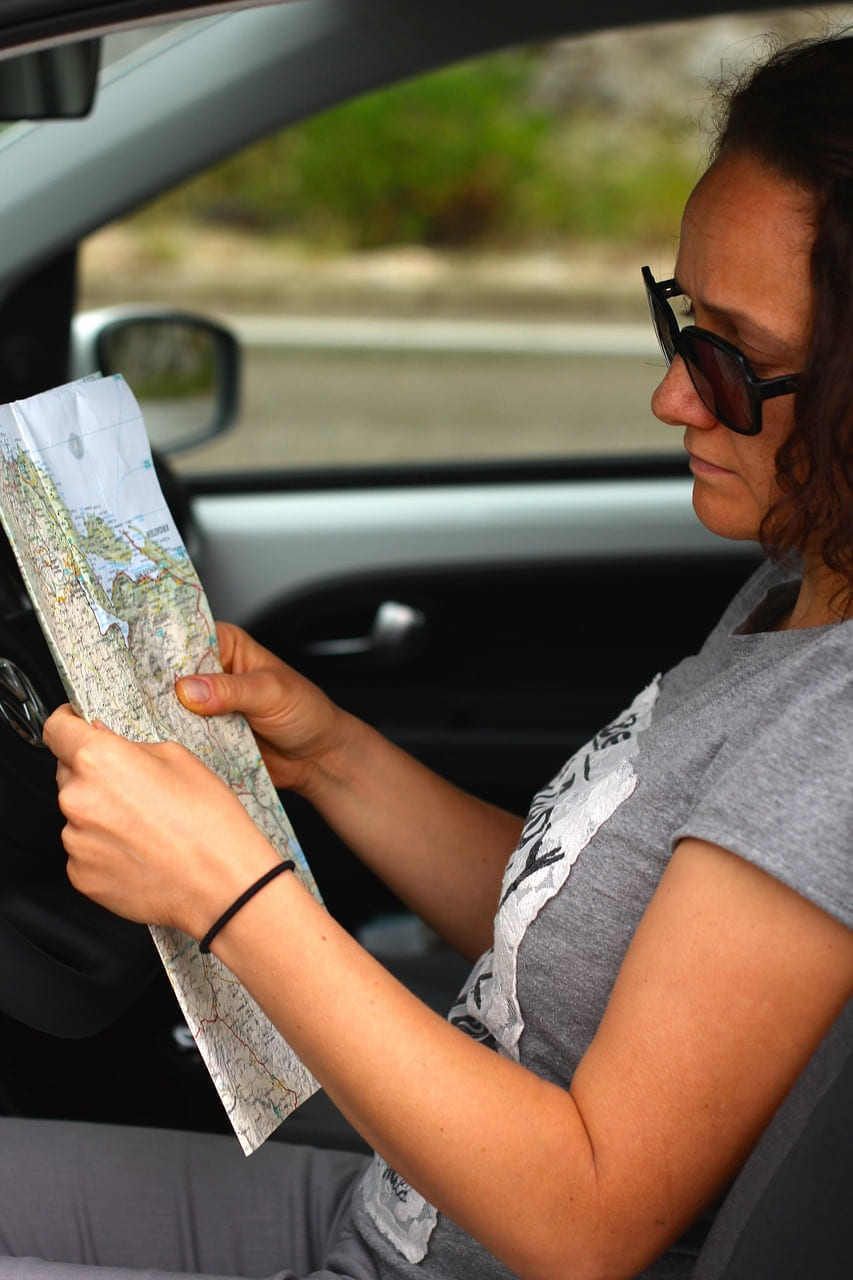
In an increasingly digital world, it’s easy to overlook the value of a good old-fashioned paper map. There’s something inherently reassuring about holding a physical map in your hands, and it’s invaluable in situations where technology fails - a power outage, a dead phone battery, or simply a lack of signal. Consider purchasing topographic maps for hiking and backpacking, or road atlases for long road trips. A compass is also an essential accessory. Price: Varies depending on the map type - typically $10-30 per map.
Beyond the App: Complementary Tools
Don’t rely solely on your mapping app. Consider these complementary tools to enhance your travel planning:
- Offline Translation Apps: Google Translate (review language packs) or iTranslate are invaluable for communicating in foreign countries.
- Weather Apps: Accurate weather forecasts can help you plan your activities and prepare for changing conditions.
- Local Guides & Forums: Websites like TripAdvisor and Lonely Planet, alongside local travel forums, can provide invaluable insights and recommendations.
Focus on the part that solves the problem
In a topic like Travel, the strongest starting point is usually the one you will notice and use right away. That is often more helpful than adding extra features too early.
Before spending more, it is worth checking the setup, upkeep, and learning curve. Small hassles matter here because they are usually what decide whether something stays useful or gets ignored.
It is easy to underestimate how much clarity comes from removing one unnecessary layer. In practice, trimming one complication often does more for Planning Trips: Your Best Map Picks than adding one more feature, one more product, or one more clever workaround.
Where extra features get in the way
Another easy trap is copying a setup that made sense for someone with a different routine, budget, or tolerance for maintenance. In Travel, that mismatch is often what makes a promising idea feel frustrating later.
A lot of options sound great until you picture them in a normal week. If the setup is fussy, the routine is easy to forget, or the maintenance is annoying, the appeal fades quickly.
There is also value in keeping one part of the process deliberately simple. Readers often do better when they identify the one decision that carries the most weight and make that choice carefully before they chase smaller optimizations. That keeps momentum steady and usually prevents the topic from turning into clutter.
What makes the choice hold up
A better approach is to break Planning Trips: Your Best Map Picks into smaller decisions and solve the highest-friction part first. Testing one practical change usually teaches more than trying to perfect everything in a single pass.
Leave a little room to adjust as you go. A setup that works in one budget range, season, or routine might need a small change later, and that is usually normal rather than a sign you got it wrong.
If this topic still feels crowded or overcomplicated, that is usually a sign to narrow the decision, not a sign that you need more noise. One careful adjustment, followed by honest observation, tends to teach more than another round of abstract tips.
How to keep the routine manageable
A grounded next step is usually better than a dramatic one. Pick one realistic change, see how it works in normal life, and let that result guide the next decision.
The version that holds up best is usually the one you can live with on an ordinary day. That often matters more than the version that only feels good when you have extra time, energy, or money.
That is why the best next step is often a modest one with a clear upside. You want something specific enough to act on, flexible enough to adjust, and practical enough that you would still recommend it after the first burst of enthusiasm fades.
What matters more than the sales pitch
Another useful filter is asking what you would still recommend if the budget got tighter, the schedule got busier, or the setup had to be easier for someone else to manage. The answers to that question usually reveal which advice is durable and which advice only works under ideal conditions.
If you want Planning Trips: Your Best Map Picks to hold up over time, choose the version you can actually maintain. That can mean spending less, leaving out an attractive extra, or simplifying the setup so it fits ordinary life.
You do not need the flashiest answer here. You need the one that fits your space, budget, and routine well enough that you will still feel good about it after the first week.
Keep This Practical
The best travel choices usually come from aligning the plan with the kind of trip you actually want, not the most impressive itinerary online. Keep the next step practical and the rest gets clearer.
Tools Worth A Look
The products here work best when they reduce travel friction rather than add more to pack or compare.
- Magnetic 10000mAh Portable Charger for iWatch & iPhone, PD Fast Charging Wireless Power BankVRURC 10000mAh Power Bank Built-in Cables, Portable Chargerck with Cords, 5 Output Dual Input Phone ChargerTaygeer Travel Laptop Backpack for Men Women, Airplane Approved Travel Backpack Suitcase with Water Bottle Pocket, Lightweight CollegeLumesner Carry on Travel Backpacks, Extra Large 40L Flight Approved Bag for Men & Women,Expandable Suitcase Backpack With 4 Packing CubesFYY Electronic Organizer, Travel Cable Organizer Bag Pouch Electronic Accessories Carry Case Portable Waterproof Double Layers All-in-One Storage Bag
Some of the links on this page are Amazon affiliate links, which means I may earn a small commission if you make a purchase through them. As an Amazon Associate, I earn from qualifying purchases.
Related ReadingMore from Miles and Memories

How To Plan A Trip Around Energy Instead Of Just Attractions
A better framework for designing itineraries around pace, recovery, and the kind of days you actually want to live.
Explore Europe on a Shoestring
deserves a little more room than a quick summary because most readers are trying to make a real decision, not just skim a few surface-level tips....
City Walks That Tell a Story
Lost in the Lanes: Discovering a City’s Soul, One Step at a Time (City Walks) There’s a stillness that comes with walking, a quiet unfolding that’s utterly absent.