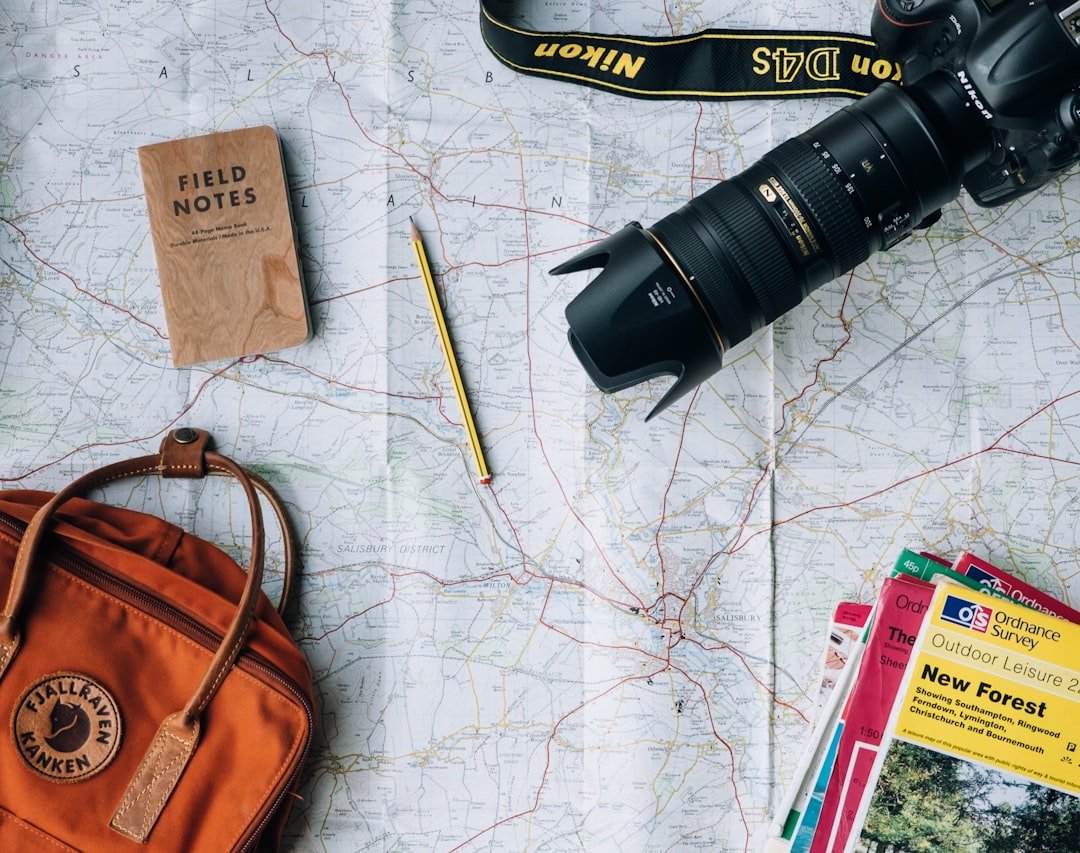
The idea of a family vacation - a chance to reconnect, explore, and create lasting memories - is a beautiful one. But let’s be honest, the reality often involves a potent cocktail of sibling squabbles, demanding toddlers, and the constant, low-level hum of “Are we there yet?” As someone who’s spent a good chunk of my life navigating these turbulent waters (and happily residing in a converted lighthouse overlooking the sometimes-stormy Atlantic), I’ve learned a thing or two about turning the potential chaos of family travel into something genuinely joyful. It’s not about flawlessly executed itineraries or Instagram-worthy moments; it’s about building resilience, fostering connection, and accepting that a little mess is part of the adventure. This isn’t about minimizing the challenges; it’s about equipping you with the tools to manage them, so you can actually enjoy the journey.
Pre-Trip Prep - Laying the Groundwork
Let’s start with the groundwork. A chaotic trip rarely starts with a calm, organized one. The key here is proactive planning, but not over-planning. Too much structure can actually increase anxiety, especially for kids. Instead, aim for a flexible framework.
- Talk About It (Seriously): Don't spring the trip on your family. Start weeks, even months, in advance. Discuss the destination, what you hope to see and do, and, crucially, what everyone’s expectations are. For younger children, this might involve picture books and simple explanations. For older kids, a family meeting to brainstorm is invaluable.
- Divide and Conquer (Responsibly): Involve everyone in the planning process, age-appropriately. Let your 8-year-old pick a museum, your teenager choose a restaurant, and you handle the logistics. This gives them a sense of ownership and reduces the likelihood of complaining later.
- Pack Strategically: This is a huge one. Create a packing list together, and stick to it. Consider packing cubes to organize belongings and make it easier to find things. Don’t overpack - you’ll be surprised how little you actually need. A small backpack for each child to carry their own essentials (snacks, water bottle, favorite toy) can be a game-changer.
- Download Entertainment (But Don’t Rely On It): Load up tablets with movies, audiobooks, and games, but make it clear that these are backups, not the primary activity. The goal is to encourage exploration and interaction.
On the Road - Navigating the Turbulence
Okay, you’re on your trip. The initial excitement might be wearing off, and the first signs of fatigue and boredom are starting to appear. This is where your pre-trip planning really pays off. Having a few go-to strategies is essential.
- Embrace the “Quiet Time”: Schedule regular periods of quiet time, even if it’s just 30 minutes. This allows everyone to recharge, and it can prevent meltdowns. This doesn’t have to be silent; it could be reading, drawing, or simply relaxing with a book.
- Snack Breaks are Non-Negotiable: Hungry kids are grumpy kids. Pack a variety of healthy snacks and drinks to keep everyone fueled and happy. Consider a small cooler bag to keep things fresh.
- Rotate Activities: Don’t try to cram too much into one day. Alternate between active and passive activities. A long museum visit followed by a playground break can work wonders.
- Embrace the Unexpected: Things *will* go wrong. Traffic jams, missed trains, unexpected rain - it’s inevitable. Instead of getting frustrated, try to view these disruptions as opportunities for adventure. A spontaneous detour to a local market or a roadside attraction can create a memorable story.
- The Power of the “Yes”: Within reason, say “yes” to your children’s requests. A small treat, a silly photo, a chance to explore - these small gestures can go a long way in building their confidence and enthusiasm.
Post-Trip Reflection - Harvesting the Memories
The trip is over. The unpacking is done. But the memories are still fresh. Taking the time to reflect on your experience can help solidify those connections and make the trip even more meaningful.
- Photo Albums & Scrapbooks: Don’t just let your photos sit on your phone. Create a physical photo album or scrapbook together. This is a wonderful way to revisit the trip and share memories with future generations.
- “Rose, Bud, Thorn” Sharing: After the trip, gather your family and go around the circle, each person sharing a “rose” (something they loved), a “bud” (something they’re looking forward to), and a “thorn” (something that was challenging). This is a simple but powerful way to process the experience and identify areas for improvement on future trips.
- Write Down Your Favorite Moments: Encourage everyone to write down their favorite memories from the trip. This can be a simple list or a more elaborate journal entry.
Beyond the Hacks: A Mindset Shift
Ultimately, successful family travel isn't about ticking off a list of attractions or achieving a picture-perfect vacation. It’s about cultivating a mindset of flexibility, patience, and appreciation. It’s about recognizing that travel with children is inherently messy, unpredictable, and sometimes challenging. But it’s also incredibly rewarding. It's about creating shared experiences, fostering connection, and building memories that will last a lifetime. As I often think to myself while watching the waves crash against the rocks here in Nova Scotia, the journey itself is often more beautiful than the destination. And with a little planning, a lot of patience, and a generous dose of humor, you can make that journey a truly unforgettable one.
Start with what you will actually use
With Family Travel, the first question is usually not which option looks best on paper. It is which part will make day-to-day life easier, smoother, or cheaper once the novelty wears off.
A lot of options sound great until you picture them in a normal week. If the setup is fussy, the routine is easy to forget, or the maintenance is annoying, the appeal fades quickly.
There is also value in keeping one part of the process deliberately simple. Readers often do better when they identify the one decision that carries the most weight and make that choice carefully before they chase smaller optimizations. That keeps momentum steady and usually prevents the topic from turning into clutter.
What tends to get overlooked
Tradeoffs are normal here. Cost, convenience, upkeep, and flexibility do not always line up neatly, so it helps to decide which tradeoff matters least to you before you commit.
This usually gets easier once you make a short list of priorities. A tighter list tends to produce better decisions than trying to solve every possible problem at once.
Another useful filter is asking what you would still recommend if the budget got tighter, the schedule got busier, or the setup had to be easier for someone else to manage. The answers to that question usually reveal which advice is durable and which advice only works under ideal conditions.
Keep This Practical
Trip planning gets easier when you decide what matters most first: price, pace, season, or experience. Use that filter to shape the next booking decision instead of comparing everything equally.