For Family Travel, the best plan usually balances cost, comfort, timing, and the details that make the trip easier to enjoy.
o you love history? Explore lesser-known historical sites in Europe or Latin America. The more specific you are with your interests, the easier it will be to find affordable options.
3. Transportation Tactics: Getting Around Smart
Transportation is often a major expense on any trip. Flying can be a significant cost, especially for a family. Here are a few strategies to consider:
- Be Flexible with Dates: Flying mid-week or during the shoulder season (the periods just before and after peak season) can often save you a considerable amount of money.
- Consider Alternative Airports: Smaller, regional airports often have lower fees and can offer cheaper flights.
- Embrace Public Transportation: Once you’re at your destination, utilize public transportation whenever possible. It’s not only more affordable than taxis or rental cars, but it’s also a great way to experience the local culture. We found that in Rome, the metro was incredibly efficient and allowed us to easily navigate the city.
- Road Trips: For longer distances, a road trip can be a fantastic option, especially if you’re traveling with kids. You have more control over your schedule, and you can often find affordable accommodation along the way.
4. Accommodation Adventures: Beyond the Hotel Chains
Hotels are rarely the cheapest option, especially for families. Here are some alternatives to consider:
- Airbnb & Vacation Rentals: These can be a great way to find spacious accommodation at a lower cost, especially if you’re traveling with a larger family. Look for places with kitchens so you can prepare some of your own meals.
- Hostels (Family Rooms): Many hostels now offer private family rooms, which can be a surprisingly affordable option.
- Camping: If you’re outdoorsy, camping can be an incredibly budget-friendly way to travel.
- House Sitting: This is a fantastic way to get free accommodation in exchange for looking after someone's home and pets.
5. Food Finances: Eating Well Without Overspending
Eating out for every meal can quickly drain your budget. Here’s how to eat well on a budget:
- Cook Your Own Meals: As mentioned above, having a kitchen in your accommodation is a huge advantage.
- Shop at Local Markets: Local markets are a great place to find fresh, affordable produce and other ingredients.
- Pack Snacks: Bring snacks from home to avoid buying expensive snacks at tourist traps.
- Look for Lunch Specials: Many restaurants offer lunch specials that are cheaper than dinner.
6. Activity Allocation: Free and Low-Cost Fun
Don’t feel like you need to spend a fortune on activities. There are plenty of free and low-cost things to do:
- Parks and Beaches: Parks and beaches are always a hit with kids.
- Hiking and Nature Walks: Explore the local trails and enjoy the great outdoors.
- Museums (Free Days): Many museums offer free admission days or evenings.
- Local Events: Check local event listings for festivals, concerts, and other free activities.
7. The Unexpected Buffer: Emergency Funds
Finally, and this is crucial, build in a buffer for unexpected expenses. Things will come up - a delayed flight, a medical emergency, a spontaneous purchase. Having a small emergency fund will prevent you from having to dip into your vacation savings. I’d recommend setting aside at least 10-15% of your total budget for unexpected costs.
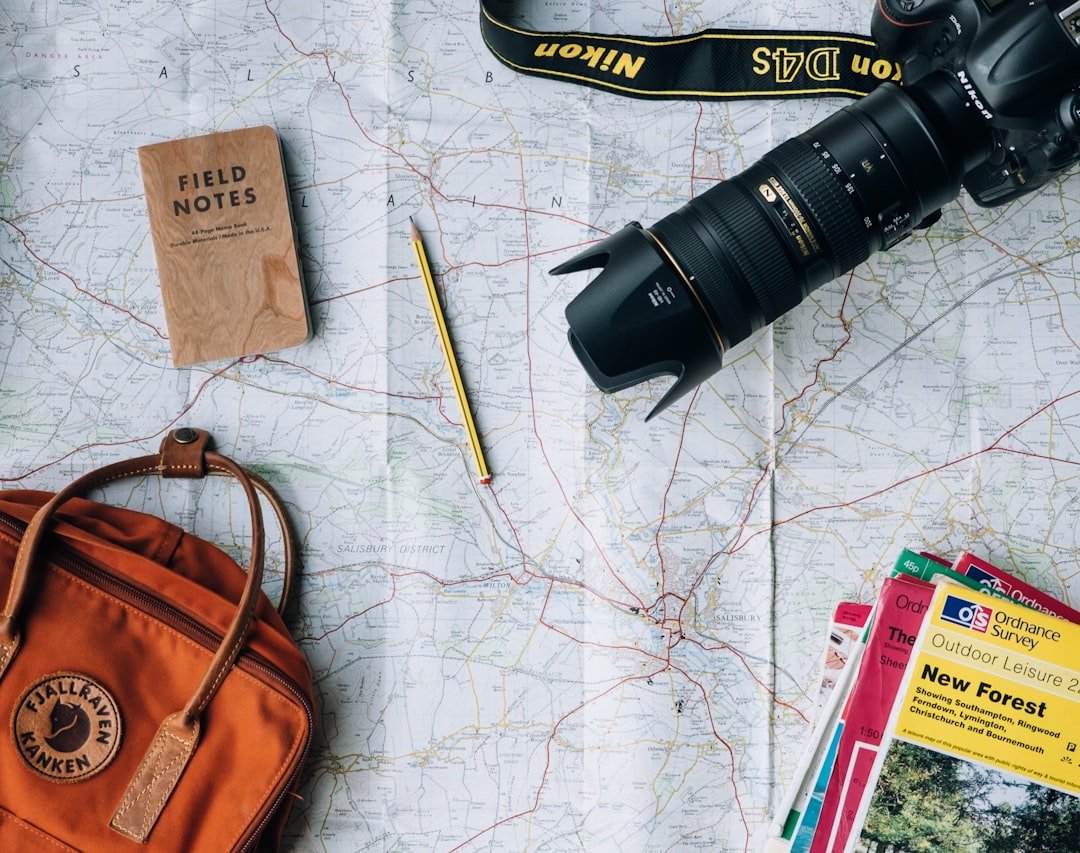
Family travel doesn't have to be a luxury. With careful planning, strategic choices, and a willingness to embrace a little bit of adventure, you can create unforgettable memories without emptying your wallet. It’s about shifting your perspective - focusing on experiences over things, and prioritizing connection over extravagance. And, as my grandfather always said, the best maps lead to the most rewarding discoveries.
Start with what you will actually use
With Family Travel, the first question is usually not which option looks best on paper. It is which part will make day-to-day life easier, smoother, or cheaper once the novelty wears off.
A lot of options sound great until you picture them in a normal week. If the setup is fussy, the routine is easy to forget, or the maintenance is annoying, the appeal fades quickly.
There is also value in keeping one part of the process deliberately simple. Readers often do better when they identify the one decision that carries the most weight and make that choice carefully before they chase smaller optimizations. That keeps momentum steady and usually prevents the topic from turning into clutter.
What tends to get overlooked
Tradeoffs are normal here. Cost, convenience, upkeep, and flexibility do not always line up neatly, so it helps to decide which tradeoff matters least to you before you commit.
This usually gets easier once you make a short list of priorities. A tighter list tends to produce better decisions than trying to solve every possible problem at once.
Another useful filter is asking what you would still recommend if the budget got tighter, the schedule got busier, or the setup had to be easier for someone else to manage. The answers to that question usually reveal which advice is durable and which advice only works under ideal conditions.
How to keep the setup simple
If you want Family Travel to hold up over time, choose the version you can actually maintain. That can mean spending less, leaving out an attractive extra, or simplifying the setup so it fits ordinary life.
The version that holds up best is usually the one you can live with on an ordinary day. That often matters more than the version that only feels good when you have extra time, energy, or money.
That is why the best next step is often a modest one with a clear upside. You want something specific enough to act on, flexible enough to adjust, and practical enough that you would still recommend it after the first burst of enthusiasm fades.
Costs that show up later
You do not need the flashiest answer here. You need the one that fits your space, budget, and routine well enough that you will still feel good about it after the first week.
In a topic like Travel, manageable almost always beats impressive. If something is simple enough to keep using, it is usually doing more real work for you.
Readers usually get better results when they treat advice as something to test and refine, not something to obey perfectly. That mindset creates room for real judgment, which is often the difference between content that sounds smart and guidance that is actually useful.
What is worth skipping
It is easy to underestimate how much clarity comes from removing one unnecessary layer. In practice, trimming one complication often does more for Family Travel than adding one more feature, one more product, or one more clever workaround.
The options that age well are usually the ones that are easy to repeat. Reliability and low hassle often matter more than the most impressive-looking feature list.
When you are deciding what to do next, aim for the option that reduces friction and gives you a clearer read on what matters most. That is usually how Family Travel becomes more useful instead of more complicated.
Keep This Practical
Trip planning gets easier when you decide what matters most first: price, pace, season, or experience. Use that filter to shape the next booking decision instead of comparing everything equally.